
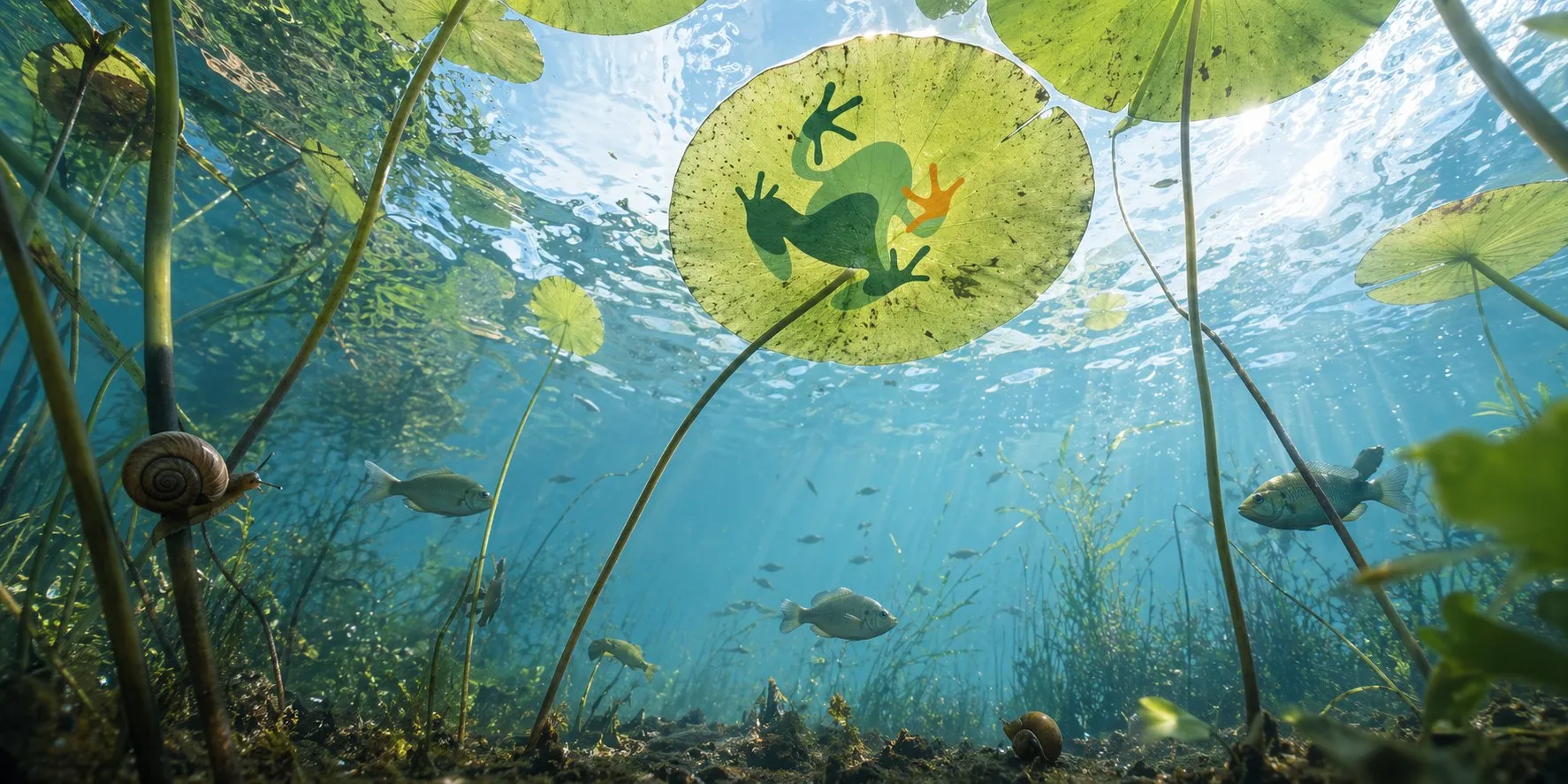
Answers for sludge.
Answers for water.
Biological water treatment, precision dewatering and AI-supported lake monitoring — from a single partner, across Central Europe.
On the side of water operators.
ECOMUD group is an environmental-engineering practice that restores natural water bodies and industrial basins — through biological methods, textile-based dewatering and a digital monitoring platform. Our team of water and environmental engineers, biologists and equipment specialists has spent two decades on dredging and lake projects across Central Europe.
Five interconnected pillars.
Together they cover the full lifecycle of a water body or industrial basin — from survey through intervention to ongoing monitoring.
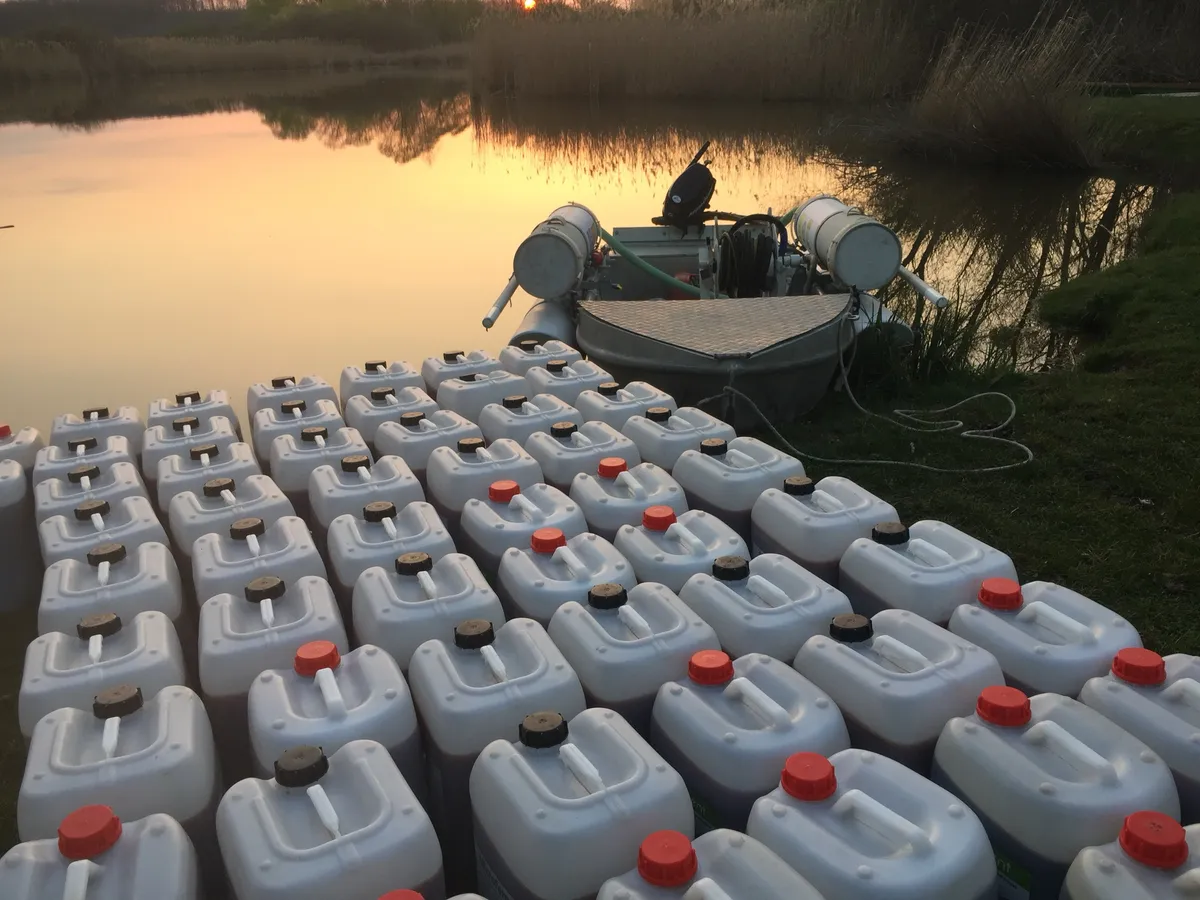
Biological sludge treatment
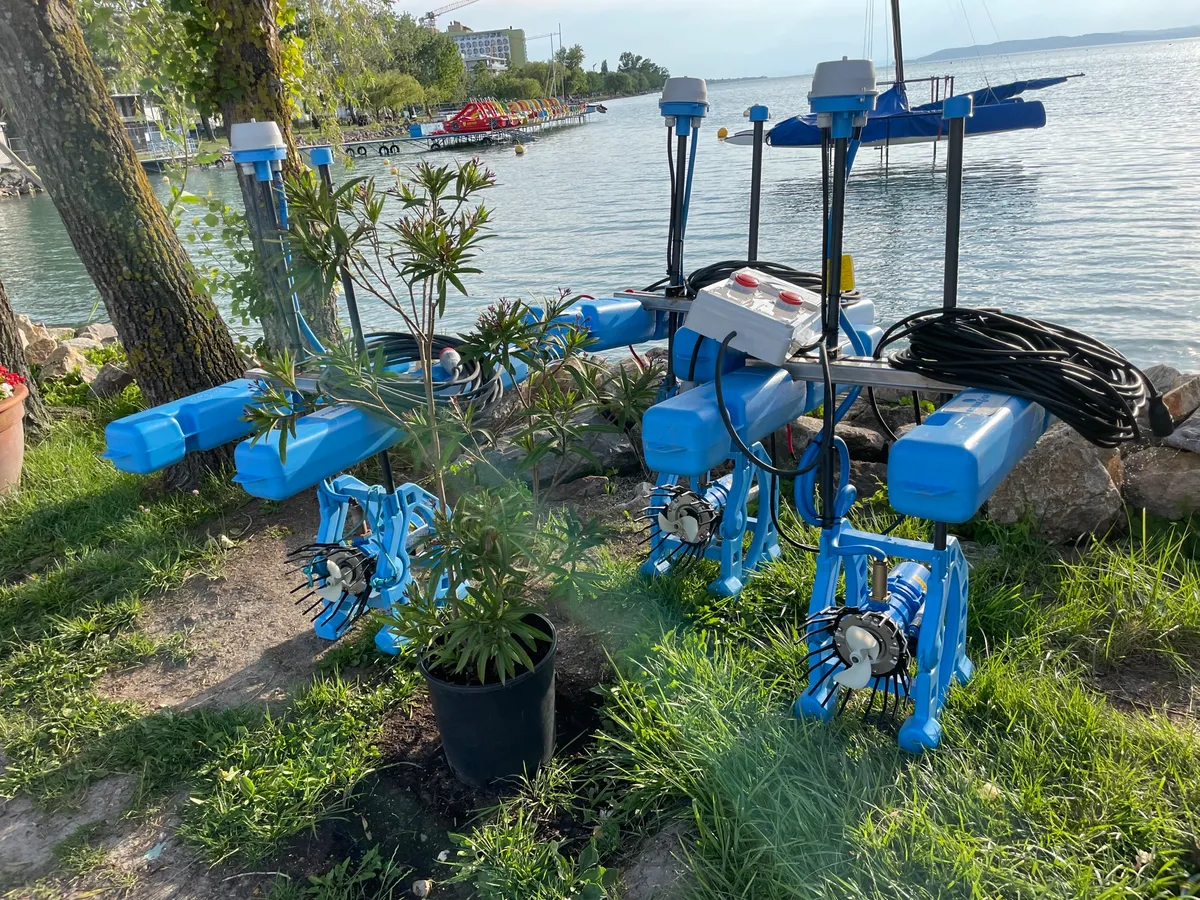
We bring down organic load in lakes, industrial basins and manure stores using targeted bacterial strains — naturally, without dredging.
Service details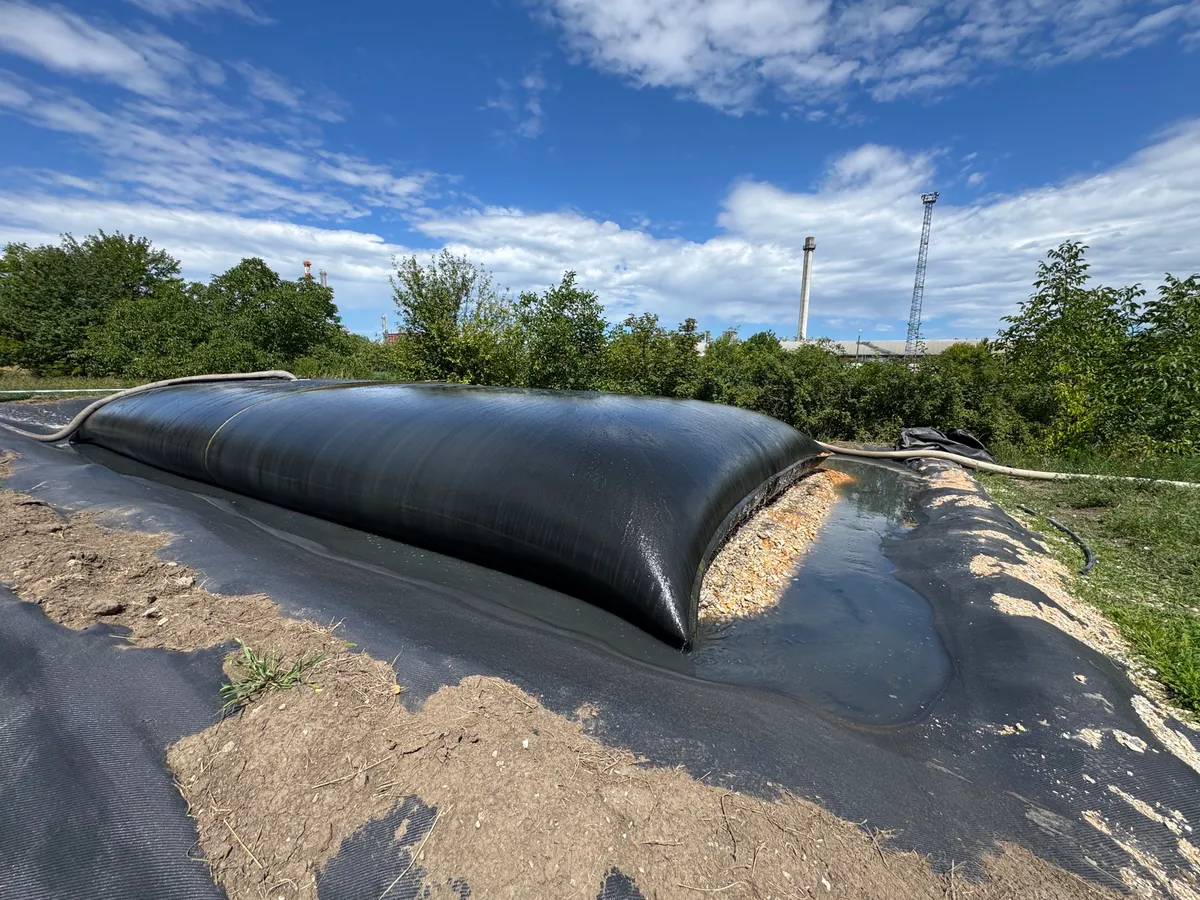
Dewatering and textile products
Manufacture and installation of geotextile tubes, bank-protection elements and sludge containers. Gravity-driven dewatering with no energy input.
Service details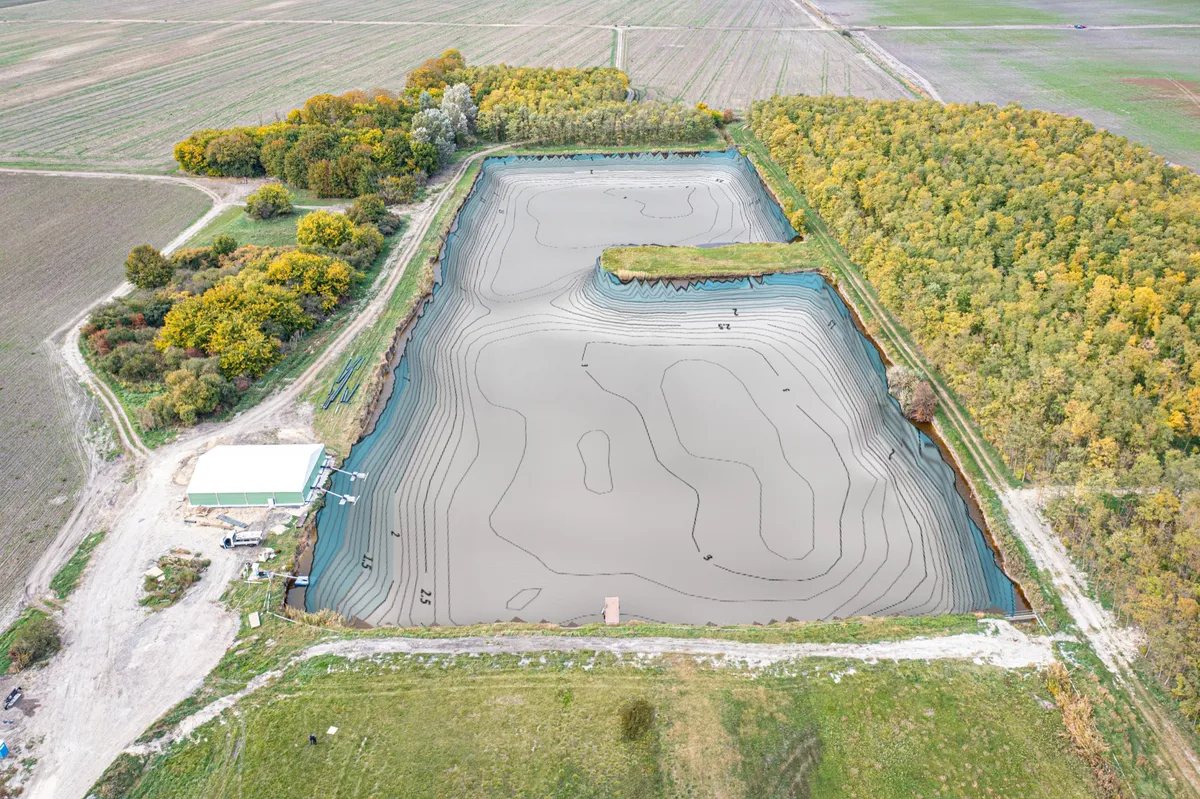
Smart Lake — digital platform
Digitising lake knowledge: digital logbook, interactive map, AI assistant, automated reports.
Service details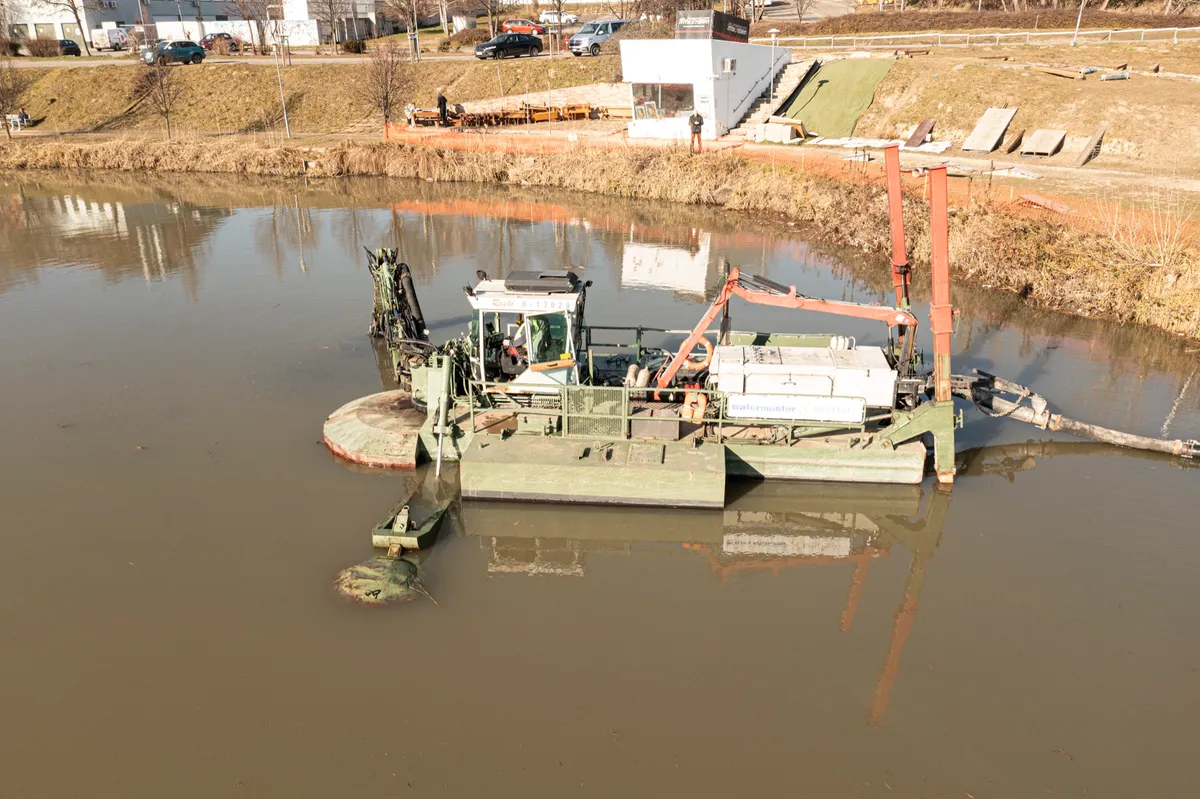
Dredging and basin maintenance
Automated systems and high-capacity hydraulic dredgers — a varied toolkit (SRS Crisafulli, Truxor, Watermaster and others) for industrial settlers, lakes and agricultural lagoons.
Service details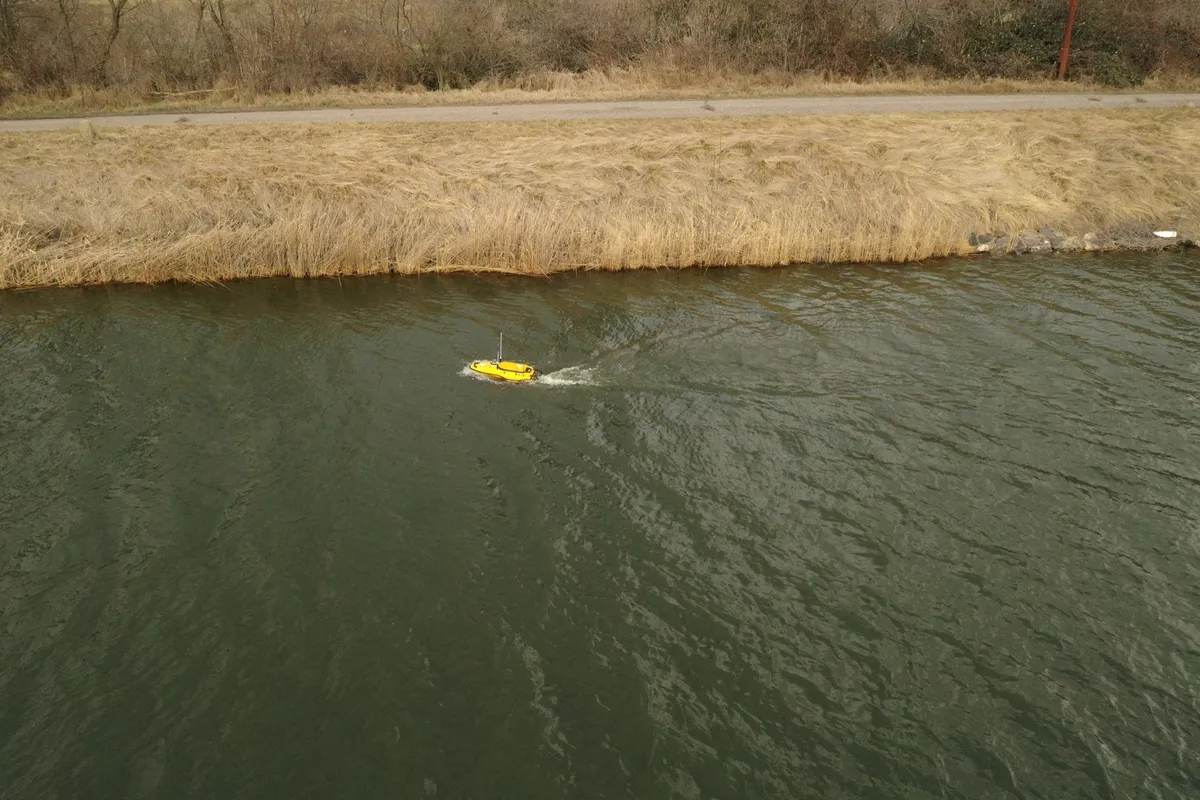
Surveys and diagnostics
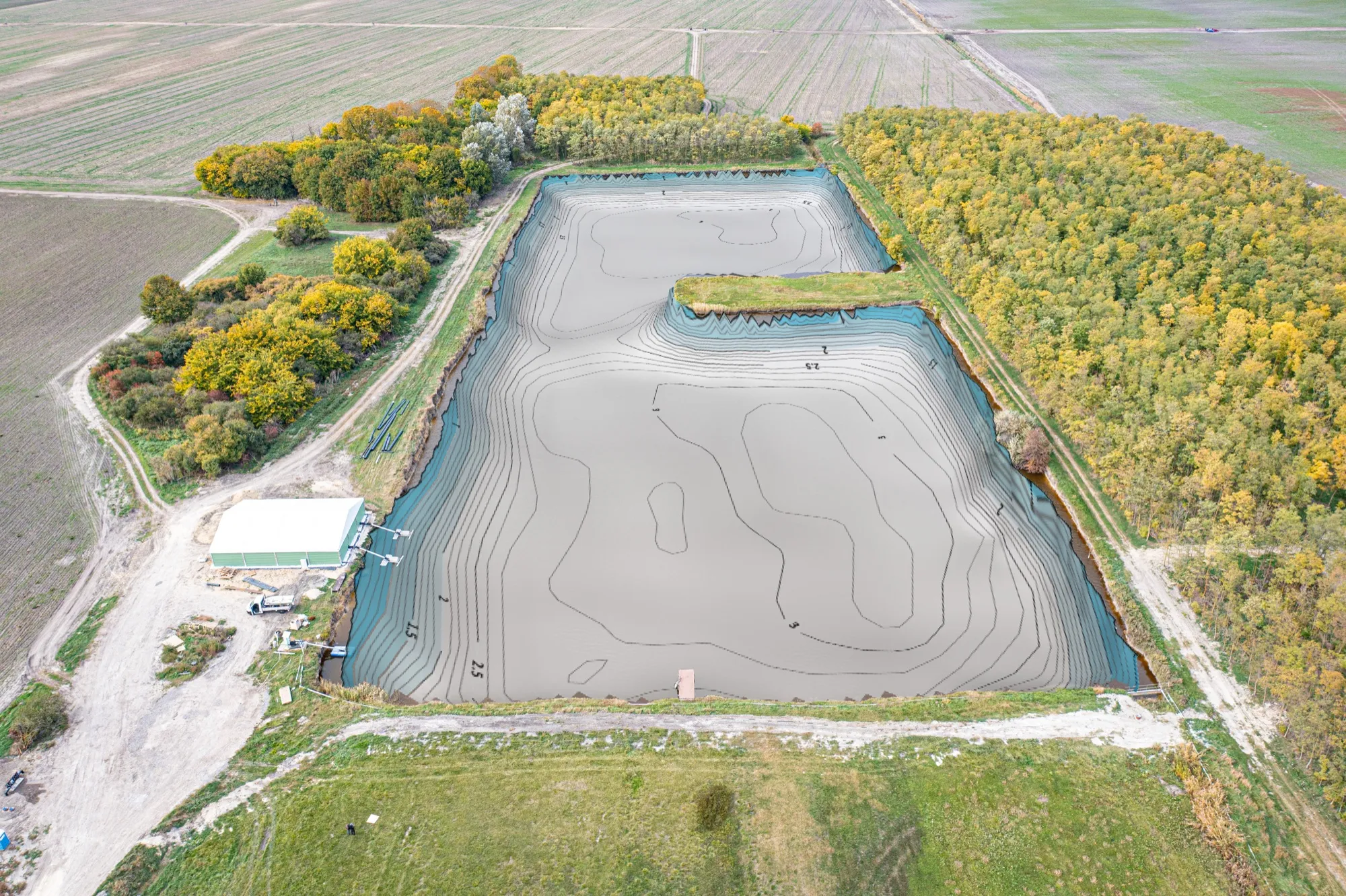
Spot sludge-thickness measurement, ultrasonic bed scan (USV), sampling. Every effective intervention starts with a precise diagnosis.
Service details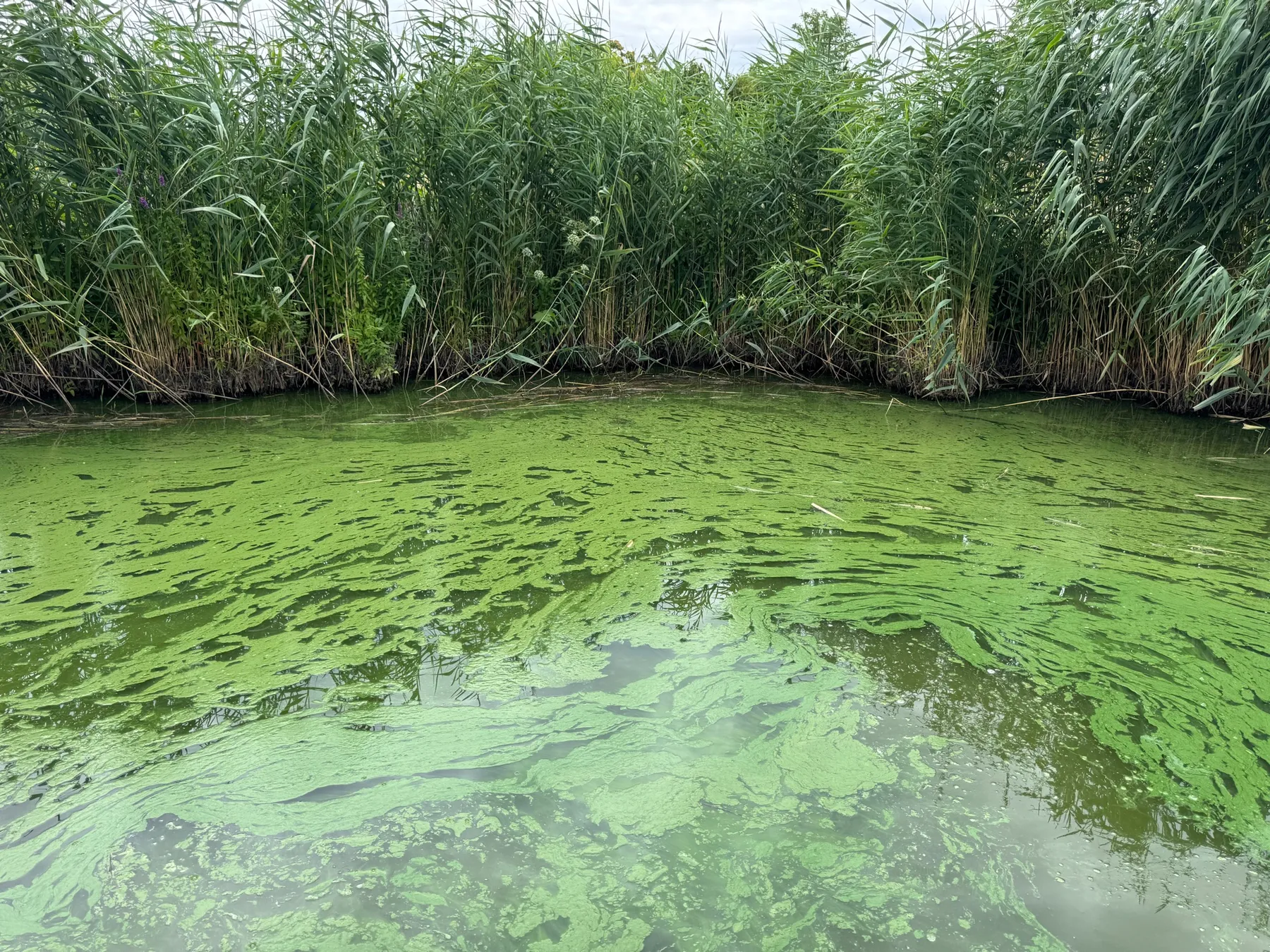
Data. Not promises.
Our team and sister companies (Iszapfaló Kft., HU; EFS Bioremedia DOO, RS) have been working in sludge treatment and water management for two decades. Our expertise comes from hundreds of completed projects, not from brochures.
Where conditions allow, we work with natural processes. Mechanical dredging is costly, disturbs the ecosystem and is often unnecessary. We recommend the biological route first; mechanical methods follow only when diagnostics justify them.
Survey, intervention and ongoing monitoring all sit under one contract. One accountable partner, one dataset — the client does not coordinate three suppliers in parallel.
Four typical situations — and what they have in common.
Sound familiar? Pick the one that fits your case. Whichever water body you operate, the root problem tends to look similar — but the right solution is always specific to the site.
Municipalities and town-centre lakes
Park lake smelling in summer, residents complaining, an election round the corner? Or a grant window has opened and the project is not ready? Biological treatment delivered as a service, grant-ready documentation and support with the authorities — all under one contract.
See the solutions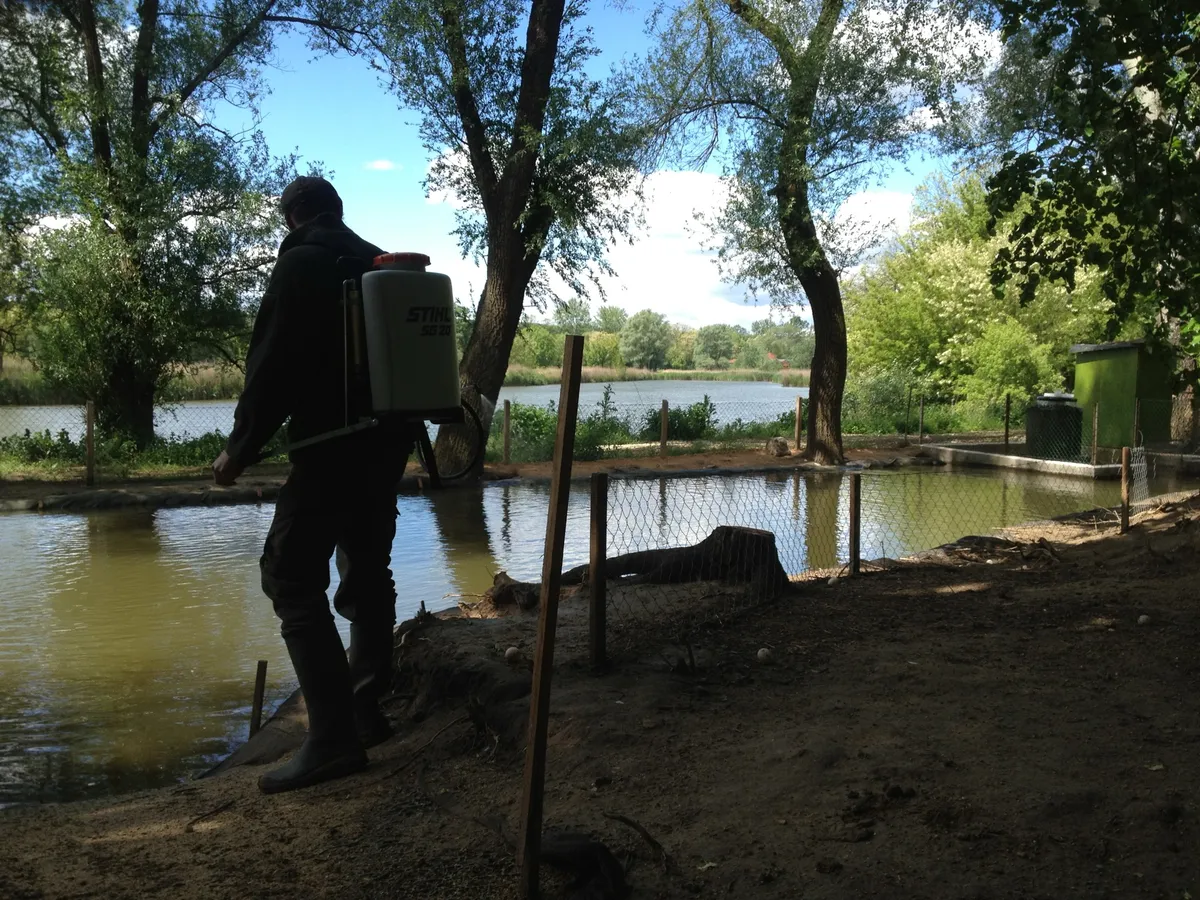
Agriculture and animal farming
Lagoon odour, full manure storage, deteriorating irrigation water? H₂S sitting on the limit, an environmental audit pending. Biological volume reduction and dewatering tubes for transportable solids — fitted into normal operations.
See the solutions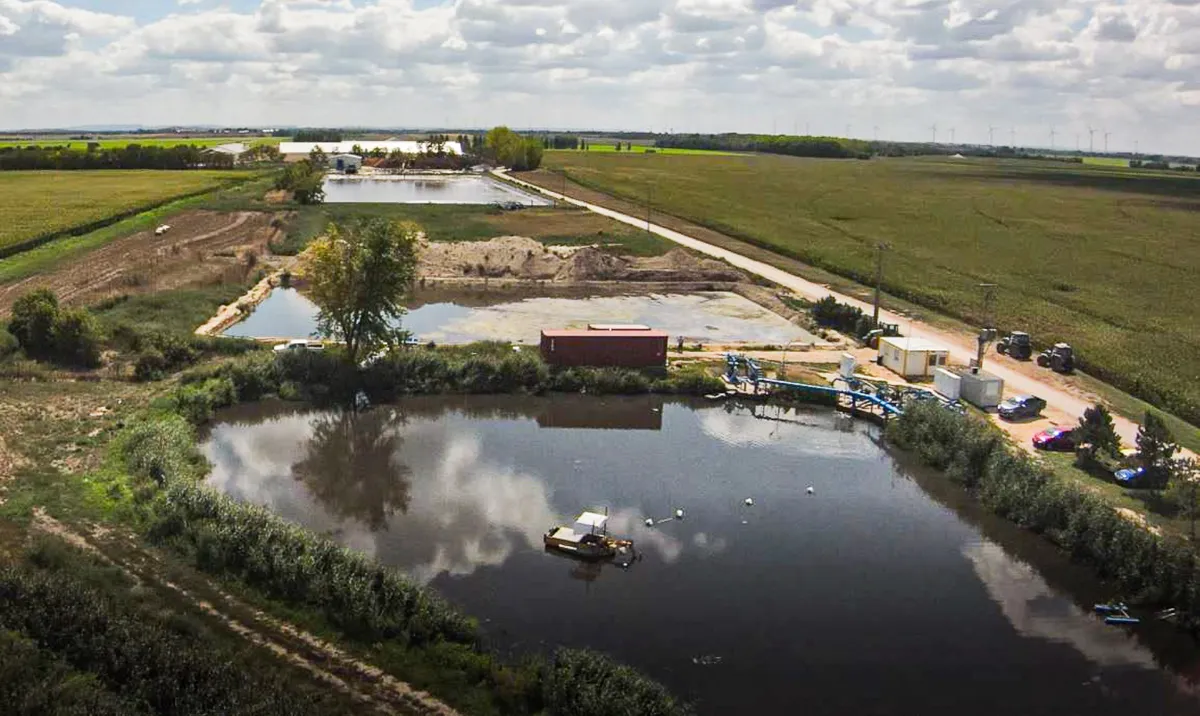
Industrial settling tanks
Cooling reservoir full of sludge, efficiency dropping? Draining during operation is not an option, and human entry is risky (chemicals, depth, toxic gases). Automated, remote-controlled dredging while the plant runs — the operator stays at a safe distance.
See the solutions Fish ponds and angling clubs
Sludge built up over years, useful volume shrinking, oxygen dropping in summer? Draining and dredging are off the table because of the stock. Biological treatment that leaves the fish undisturbed, paired with the Smart Lake digital logbook — so the knowledge of the pond is not locked in one person’s head.
See the solutionsFour steps. No empty promises.
Survey
Sludge-thickness measurement, water-quality analysis, ultrasonic bed scan. The survey can be free of charge or ordered as a standalone service.
Diagnosis & quote
From the measured data we put forward a recommended intervention with a costed plan and schedule. This is the decision point: biological, mechanical or combined.
Intervention
Carrying out the chosen method: biological dosing, dewatering-tube installation, automated dredging — or a combination of these.
Monitoring
Scheduled control measurements and an optional Smart Lake subscription. Results are documented and verifiable — measured, not promised.
Smart Lake — every lake should have its own expert.
What happens to your lake if the person who knows it best resigns tomorrow? Across the region, knowledge of a water body often lives in one operator’s head. Smart Lake fixes that: for every water body we build a digital logbook, an interactive map and an AI assistant that organises measurements, interventions and photos into a structured knowledge base you can query in plain language.
Let us take a look at your water body.
One day, one specialist, one assessment report. No miracles — we tell you how the situation actually stands.